


Cincinnati Zoo
Learn how RUCKUS provided a variety of indoor and outdoor access points that were placed strategically throughout the zoo for exceptional Wi-Fi®.
Products
Wi-Fi access points, Ethernet switches and the cloud, edge and AI platforms that manage them.
View all 51 productsEducation and public sector
See all (5) →When multiple access points (APs) operate on the same channel in a high-density environment, coverage can significantly overlap, causing co-channel interference. This is often more prevalent in the 2.4 GHz band, where there are a limited number of available channels and the band path loss is lower than in the 5 and 6 GHz bands.
To overcome AP-to-AP co-channel interference, Auto Cell Sizing dynamically adjusts an AP’s radio transmission (Tx) and the received signal (Rx) power in real-time. By sharing information through AP-to-AP communications, an AP can automatically adjust its radio parameters to the ideal cell size for the existing environmental conditions, which mitigates interference.

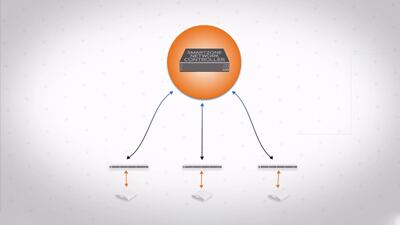
RUCKUS SmartZone network controllers simplify the complexity of scaling and managing wired switches and wireless access points through a single, user-friendly web interface. All physical and virtual SmartZone appliances support network configuration, monitoring, provisioning, discovery, planning, troubleshooting, performance management, security, and reporting.
Learn how RUCKUS provided a variety of indoor and outdoor access points that were placed strategically throughout the zoo for exceptional Wi-Fi®.
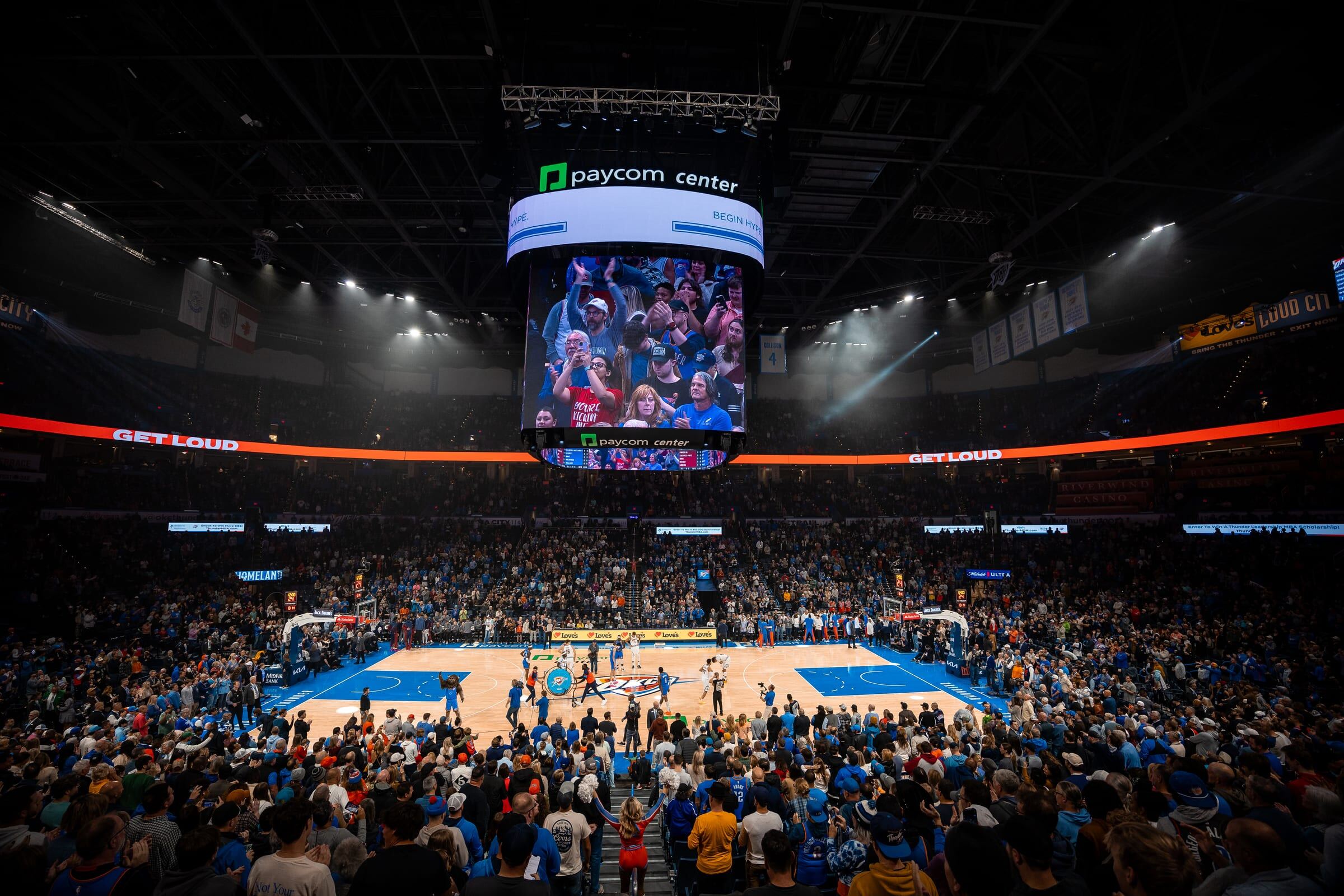
Discover how Oklahoma City’s Paycom Center designed a top-of-the-line wired and wireless network by deploying RUCKUS Networks switches and access points.
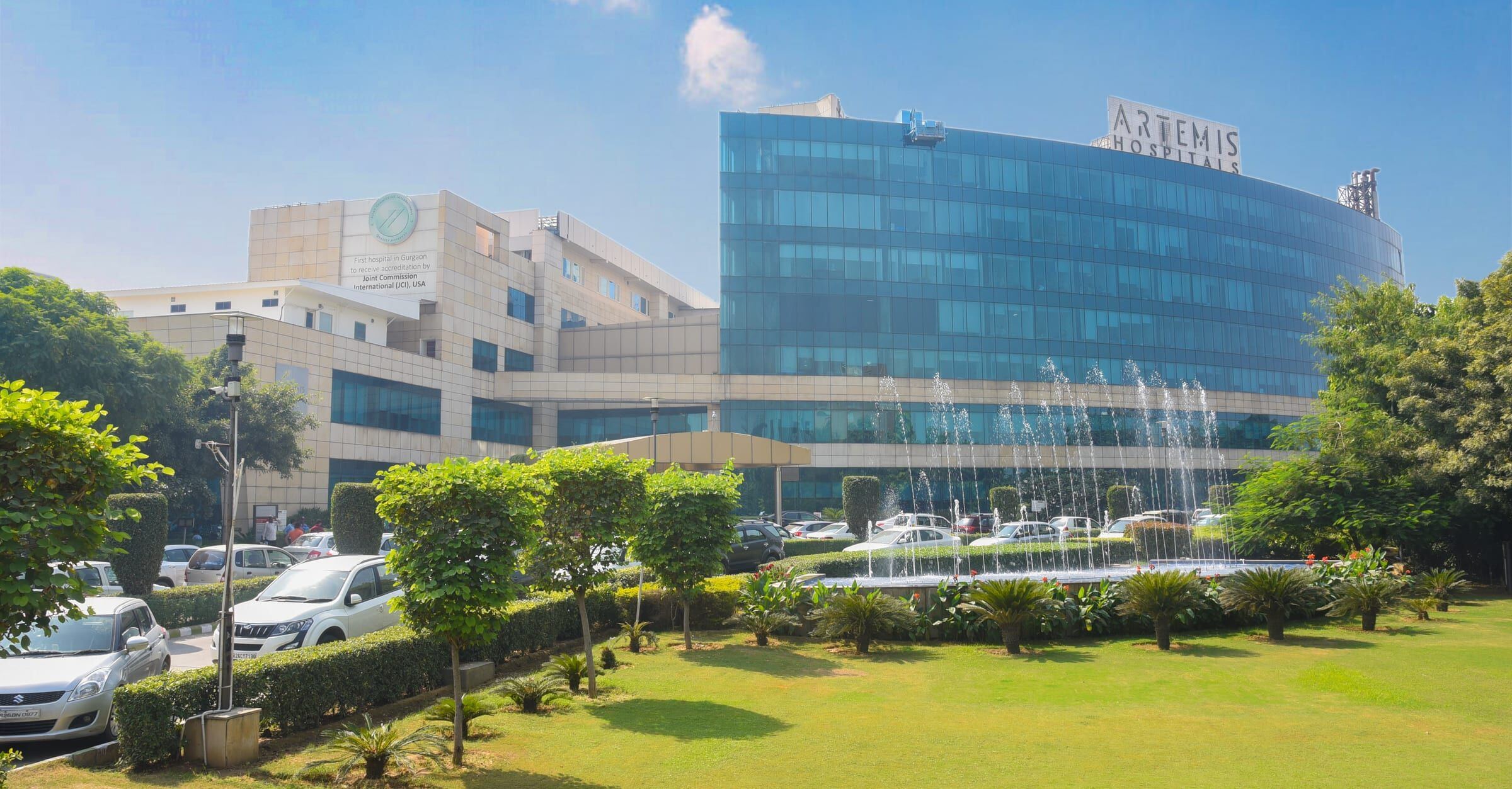
RUCKUS Networks enhances Artemis Hospitals’ customer care with advanced network solutions.

Discover how San José McEnery Convention Center deployed a unified RUCKUS wired and wireless network to deliver the capacity and performance needed to appeal to high-profile tech event exhibitors and support attendee expectations.
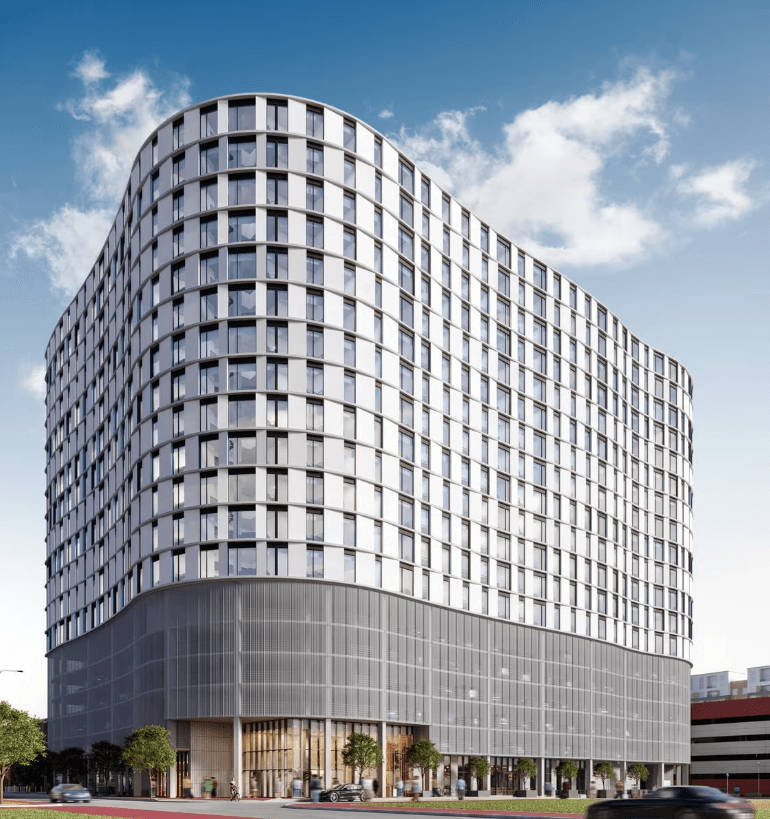
For reliable and easy-to-deploy wired and wireless network technology to be used in premier student housing new construction, WireStar selected RUCKUS.

The explosive growth in devices and applications has resulted in an insatiable demand for faster and better Wi-Fi® for over a decade. Enterprises have struggled with supporting growth and network architecture as the number of connected devices and the amount of streaming audio content increase.

In a 12-page report, Frost & Sullivan commends RUCKUS Networks for its leadership role in providing enterprise networking hardware and software solutions across nine industry verticals.

For its impressive scores in the Implementation and Innovation categories, RUCKUS is recognized as a leader amongst its peers by ABI Research.

CommScope (RUCKUS) has been recognized for its Completeness of Vision. As a Visionary, we’ve been helping solutions providers and customers create purpose-driven Wi-Fi networks that deliver high performance even in the toughest environment.
Looking for a local Partner that understands your unique business and industry needs? Find a RUCKUS channel Partner.
The 2.4GHz band has fewer channels, which creates a higher probability of co-channel interference in a network. Additionally, radiators operating in the 2.4GHz region, such as Bluetooth® and microwave ovens, can create additional interference within the band.
The Auto Cell Sizing feature is available on all RUCKUS APs. The feature is enabled through RUCKUS SmartZone controllers.
Yes, Auto Cell Sizing supports 2.4, 5, and 6 GHz. While co-channel interference is more likely to occur on 2.4GHz, it can also happen on the higher frequency bands.
Describe your requirements. Our team can help you select and plan your RUCKUS Networks solution.